
The Asere Traditional Council
Historical Foundations, Governance Structure, and Socio-Political Dynamics in the Ga State
About Us

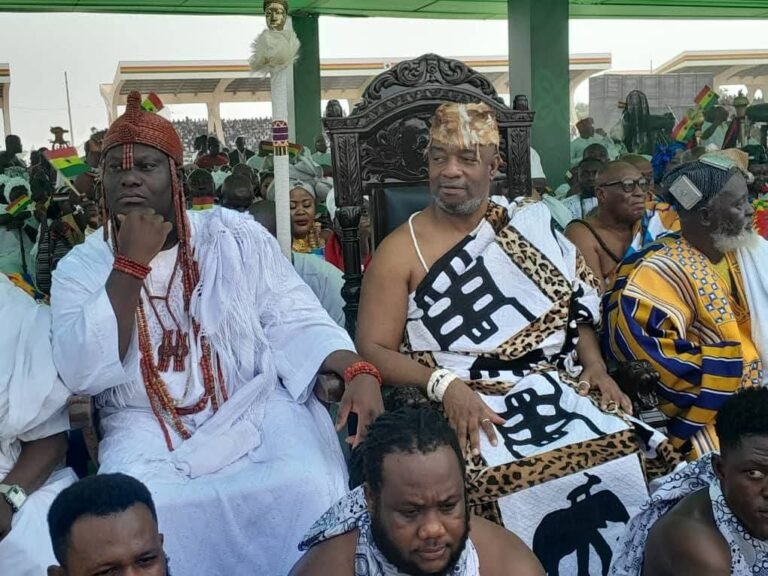
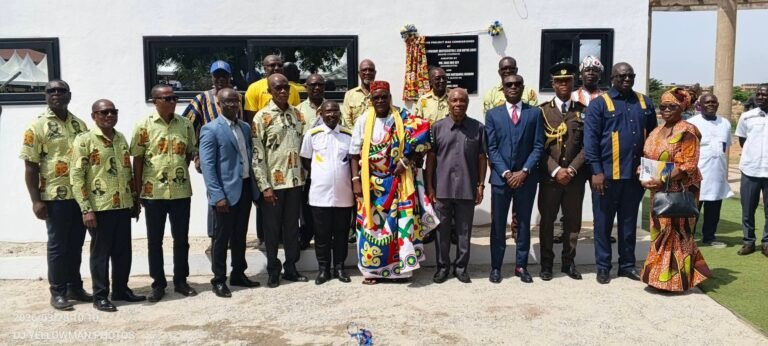
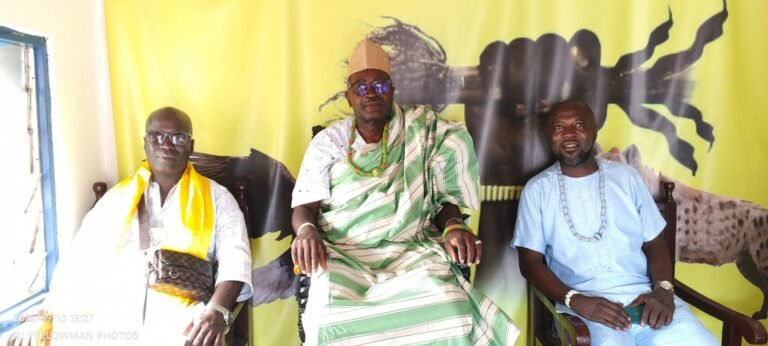
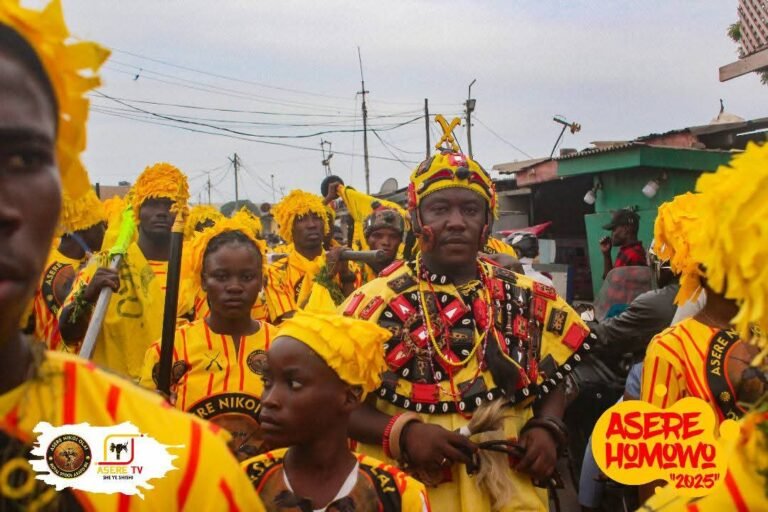
The Ga State, encompassing the coastal and immediate hinterland territories of the Greater Accra Region in Ghana, represents one of the most culturally resilient, economically strategic, and politically complex traditional jurisdictions in West Africa. Within this sovereign customary architecture, the Asere Traditional Council occupies an indispensable position as the historical nucleus and primary custodian of Ga-Mashie traditions. Operating from its administrative headquarters located on Brewery Road in Adabraka, Accra, the Asere Traditional Council exercises profound statutory and customary authority. The broader Ga Traditional Council serves as the overarching body for the traditional councils in the region, holding authority over areas ranging from Tema to Ashaiman, and bearing the exclusive mandate to enstool the Ga Mantse (Paramount King) and Ga Manye (Queen Mother). However, the foundational legitimacy of these overarching state functions is inextricably tethered to the Asere division, the largest and most historically entrenched quarter of the Ga State.
Ethnohistorical Provenance and Cosmological Foundations
The etymological derivation of the identifier “Ga” is deeply embedded in the martial prowess of these early settlers. Historical accounts trace the root to “Gaga,” the native term for the aggressive, meandering soldier ants—known to the Akan peoples as nkrang. This nomenclature served as a socio-military metaphor, symbolizing the Ga people’s formidable military disposition, their overwhelming numbers, and their strategic ability to systematically subdue aboriginal populations, such as the lagoon-worshipping Kpéshi, upon their arrival on the coast. Following the devastating destruction of their inland capital of Ayawaso (Great Akra) by the Akwamus in the early sixteenth century, the Ga populations relocated to the coastal enclaves of Little Akra, a territory that evolved into the present-day Ga Mashie.
Territorial Administration and the Jurisdictional Footprint
The governance architecture of the Asere Traditional Council operates at the complex intersection of ancient customary hierarchies, urban spatial dynamics, and modern Ghanaian statutory law. Within the broader Ga State, the Asere Mantse executes his leadership mandate in consultation with a designated council of elders, traditional priests, and kingmakers convened at the ancestral Asere stool house, which is situated near Bukom in central Accra. The jurisdictional footprint of the Asere Stool is formidable, asserting allodial (ultimate) customary rights over major urban territories and rapidly expanding suburban extensions.
The Asere Traditional Council exercises direct suzerainty over a vast network of sub-chiefs across fifty-two recognized communities, towns, and villages. This territorial expanse integrates deeply historic Ga enclaves with highly urbanized, cosmopolitan suburbs of the Greater Accra Region. Representative urban and suburban territories falling under the customary influence or direct jurisdiction of the broader Ga State and the Asere network include major commercial and residential hubs.
The Paramouncy Elevation and Institutional Structuring
The modern administrative hierarchy of the Ga State has undergone significant restructuring to reflect the historical weight of its major divisions, aligning ancient customary preeminence with the formal frameworks of the Ghanaian state. Under the statutory authority of the current Ga Mantse, King Nii Tackie Teiko Tsuru II, a major constitutional milestone was achieved when the Asere Mantse, alongside five other divisional chiefs, was officially elevated to Paramount Chief status.
The recent ceremonial elevation formalized the Paramount Chief status of:
Nii Nikoi Olai Amashie III (Asere Mantse)
The Asere Paramountcy is led by His Royal Majesty Nii Nikoi Olai Amashie III, who holds the esteemed title of Asere Mantse. As the leader of one of the largest and most historic divisions of the Ga State, which encompasses 52 distinct townships and villages, Nii Nikoi Olai Amashie III executes his leadership mandate in consultation with his council of elders from the ancestral Asere stool house located near Bukom in central Accra.
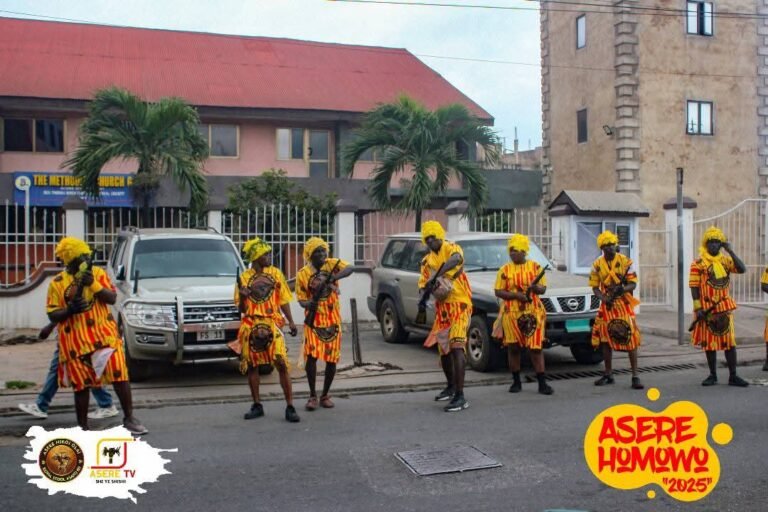
The Asere Homowo
The Asere Homowo Festival is an annual August/September harvest celebration by the Ga people in Ghana’s Greater Accra Region, particularly central to the Asere quarter